Blogs
Tech Blog for Startups
Explore practical insights on SaaS, AI systems, software architecture, engineering leadership, and modern product development.
A practical tech blog for startups and developers, covering SaaS development, MVP building, system design, AI automation, and real-world engineering decisions. Everything here is based on 20+ years of hands-on experience building products, leading engineering teams, and working with modern technology.
This isn’t just another generic tech publication. It’s a knowledge hub where real-world experience meets practical ideas, technical lessons, and actionable insights.
Whether you’re a startup founder, engineering leader, developer, or part of an early-stage product team, you’ll find content focused on what actually works.
🚀 What Founders & Developers Learn Here
👉 SaaS architecture and scalable application development
👉 AI products, automation, and practical AI engineering
👉 Technology choices for startups and lean teams
👉 Product development, MVPs, and technical execution
👉 Engineering leadership, team building, and hiring
👉 Real-world case studies, lessons learned, and mistakes to avoid

Explore the Blog from CodedByAzm
These articles are based on real product and engineering experience, not just theory. Each post explores technical decisions, product lessons, and practical ideas to help you make better technology decisions, avoid costly mistakes, and build scalable products.
- What Is an AI Harness? 7 Essential Ways It Powers Reliable AI Agents
 What Is an AI Harness? 7 Essential Ways It Powers Reliable AI Agents An AI model can understand instructions, generate code, and suggest solutions. But what happens when you ask it to fix a bug, inspect files, run tests, and verify the result? Generating an answer is only one part of completing the task. This… Read more: What Is an AI Harness? 7 Essential Ways It Powers Reliable AI Agents
- MCP for Beginners: 5 Powerful Facts
 MCP Explained for Beginners: How AI Connects to Your Tools AI assistants can answer questions, summarize information, and help you make decisions. But what happens when you want an AI assistant to check your calendar, find an available meeting slot, or create an appointment? The AI needs a way to interact with external applications. This… Read more: MCP for Beginners: 5 Powerful Facts
- 5 Powerful Facts About AI Context Windows and What They Forget
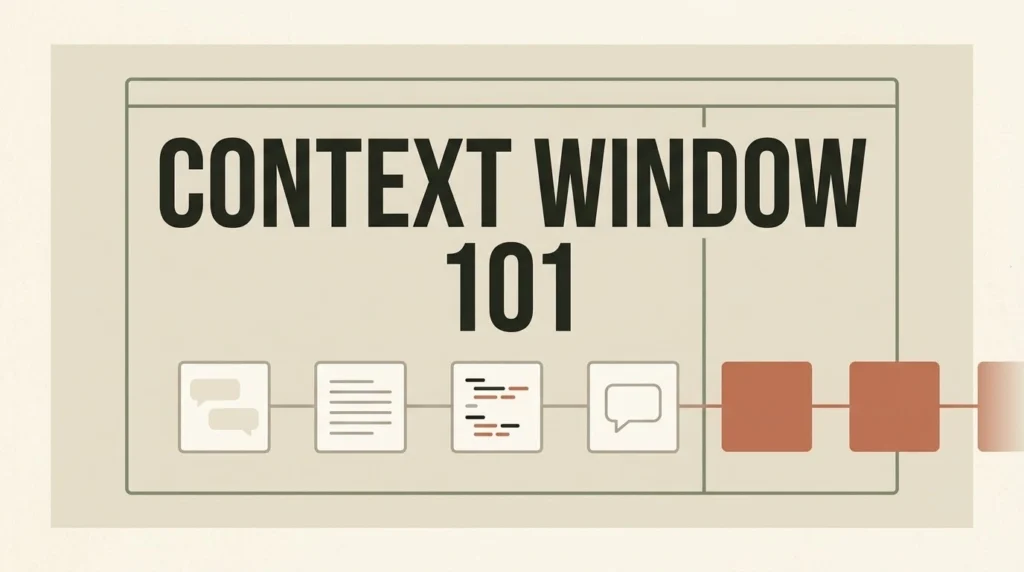 5 Powerful Facts About AI Context Windows and What They Forget You have been working with an AI coding assistant for an hour. You carefully explained your project architecture, shared your database schema, and established coding conventions. Everything was going smoothly until the assistant suggested code that violated your architectural rules and used a library… Read more: 5 Powerful Facts About AI Context Windows and What They Forget
- AI Agent Decision Making: Building Ta-da to Know When to Stop
 Building an AI Agent That Knows When to Stop Asking Questions AI agent decision making becomes especially important when an application needs to decide whether it has enough information to act. When you give an advanced language model an open-ended conversation, there is a simple UX problem that is easy to overlook: it can keep… Read more: AI Agent Decision Making: Building Ta-da to Know When to Stop
- Building an Agentic AI Workflow: How I Built Ta-da
 Building the Agentic AI Workflow Behind Ta-da When people talk about building AI applications today, the conversation usually revolves around prompt engineering or choosing the right model. But after building Ta-da, I realized that the hardest and most interesting part wasn’t figuring out how to prompt Google Gemini 2.5 Flash. The real engineering challenge was… Read more: Building an Agentic AI Workflow: How I Built Ta-da
- Building Ta-da: An Agentic AI Surprise Planner
 Building Ta-da: An Agentic AI Surprise Planner Planning a memorable surprise sounds simple until you actually have to do it. A birthday, anniversary, proposal, date night, or even a simple “just because” surprise can involve a lot of decisions. Where should you go? What should you do? How much should you spend? What does the… Read more: Building Ta-da: An Agentic AI Surprise Planner
- 5 Practical AI Application Development Lessons from VoyageIQ
 5 Practical AI Application Development Lessons from VoyageIQ AI application development involves much more than connecting an AI model to a frontend and getting a response. AI application development starts relatively straightforwardly when you’re building a local prototype. You can have a Next.js frontend talking to a FastAPI backend, performing vector searches, and generating responses… Read more: 5 Practical AI Application Development Lessons from VoyageIQ
- RAG Grounding: How to Keep AI Answers Grounded | VoyageIQ
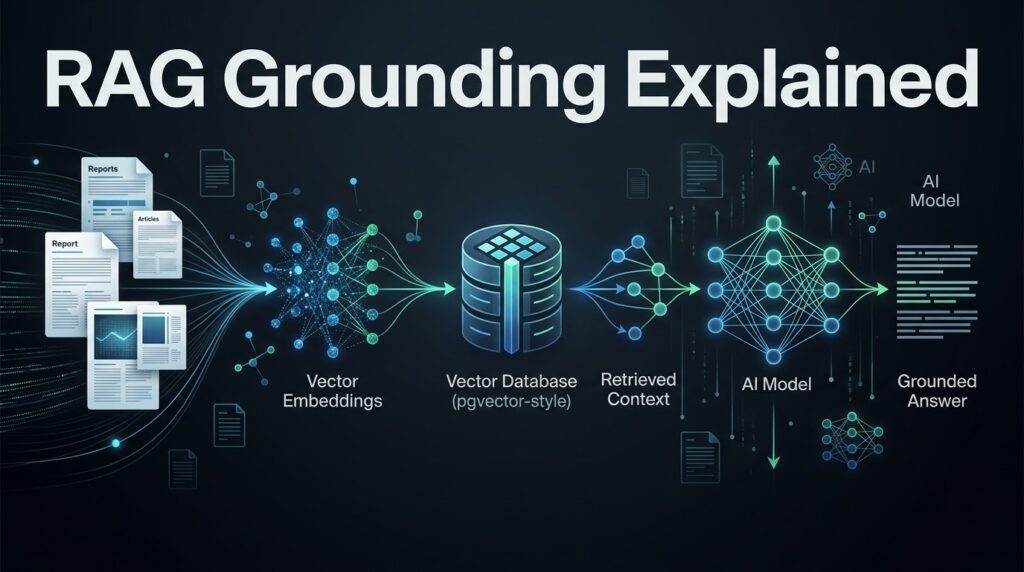 How VoyageIQ Uses RAG Grounding to Keep AI Answers Grounded When you ask a large language model a question about a niche topic or your own private documents, it doesn’t automatically have access to that information. If the required context isn’t available, the model may generate a plausible-sounding answer based on patterns learned during training… Read more: RAG Grounding: How to Keep AI Answers Grounded | VoyageIQ
- Building a RAG Application with Next.js, FastAPI & pgvector: A Practical Guide
 Building a RAG Application with Next.js, FastAPI and pgvector Many AI applications start with a simple chatbot: build a UI, connect an LLM API, and let users ask questions. That works well for experimentation. But when an application needs to answer questions based on a specific set of documents, simply calling an LLM isn’t enough.… Read more: Building a RAG Application with Next.js, FastAPI & pgvector: A Practical Guide
- Distribution. Distribution. Distribution.
 Distribution. Distribution. Distribution. There was a decade where my entire worth as a CTO was tied to how clean my architecture was, whether the database could handle a spike, and how fast we could ship a feature. Writing the product was the job. It took years of scars to get good at it. That world… Read more: Distribution. Distribution. Distribution.
- The Rise of the 3-Person Billion-Dollar Company
 The Rise of the 3-Person Billion-Dollar Company The next 3-person billion-dollar company probably won’t have 5,000 employees. It will likely have five dashboards, three operators, a highly automated workflow stack, and an almost obsessive focus on execution speed. That sounds unrealistic only if you still think startups scale the same way they did ten years… Read more: The Rise of the 3-Person Billion-Dollar Company
- Speed Beats Perfection in Startups: The Real Startup Moat Nobody Talks About
 Speed Beats Perfection in Startups: The Real Startup Moat Nobody Talks About Most startups don’t die because their codebase was messy. They die because someone else shipped first, learned faster, and captured the market while they were still debating architecture decisions. That’s the uncomfortable truth about early-stage startups, perfect systems rarely win early fast feedback… Read more: Speed Beats Perfection in Startups: The Real Startup Moat Nobody Talks About
- Why Most AI Startups Will Fail in the Next 3 Years
 Why Most AI Startups Will Fail in the Next 3 Years AI startup moat is becoming one of the most misunderstood concepts in the current technology market. Most AI startups are not real businesses, they are temporary UI layers sitting on top of someone else’s intelligence stack. If your entire product depends on wrapping a… Read more: Why Most AI Startups Will Fail in the Next 3 Years
- Scaling Startups in 2026: Why Most AI Products Fail Even With Great Models
 Scaling Startups in 2026: Why Most AI Products Fail Even With Great Models Scaling startups in 2026 is easier than ever to start, and harder than ever to sustain. AI tools, no-code platforms, and instant infrastructure have collapsed the time it takes to launch a product. But launching quickly is not the same as building… Read more: Scaling Startups in 2026: Why Most AI Products Fail Even With Great Models
- Vibe Coding 101: The Ultimate Beginner’s Guide to Effortless Coding
 Vibe Coding 101: The Ultimate Beginner’s Guide to Effortless Coding We’ve all been there, the coffee is at the perfect temperature, your IDE is open, and suddenly, three hours have vanished. You look up, and you’ve built an entire feature without hitting a single mental roadblock. This isn’t just “being productive”, this is Vibe Coding.… Read more: Vibe Coding 101: The Ultimate Beginner’s Guide to Effortless Coding
- 5 Powerful Ways Agentic AI MVPs Automate Startups Faster in 2026
 5 Powerful Ways Agentic AI MVPs Automate Startups Faster in 2026 🔥 The MVP Reality Today: The “Human Middleware” Trap Building a startup in 2026 feels faster than ever. Tools are better. Tech is cheaper. AI is everywhere. Yet most founders are still stuck doing everything manually. You might have a clean front-end and a… Read more: 5 Powerful Ways Agentic AI MVPs Automate Startups Faster in 2026
- Microservices vs Monolith: The Brutally Honest Guide for Startups
 Microservices vs Monolith: The Brutally Honest Guide for Startups If you hang around startup Twitter, tech blogs, or architecture diagrams on LinkedIn long enough, you start to feel like you are doing something wrong if you are not using microservices. Every diagram looks clean.Every case study looks impressive.Every engineering leader seems to be “breaking the… Read more: Microservices vs Monolith: The Brutally Honest Guide for Startups
- Fractional CTO on Demand: Unlock Smarter Tech Leadership Without Full-Time Costs
 Fractional CTO on Demand: Unlock Smarter Tech Leadership Without Full-Time Costs Every ambitious founder reaches a critical moment, the technology is the heart of the business, but a full-time Chief Technology Officer (CTO) salary is a budget-buster. You need strategic tech leadership, someone to define the product roadmap, audit the architecture, and hire your first… Read more: Fractional CTO on Demand: Unlock Smarter Tech Leadership Without Full-Time Costs
- Next.js SaaS Dashboard: The Ultimate Guide to Building Modern Interfaces with ShadCN UI
 Next.js SaaS Dashboard: The Ultimate Guide to Building Modern Interfaces with ShadCN UI The dashboard is the single most critical touchpoint for any Software as a Service (SaaS) application. It’s where users find value, track progress, and make pivotal decisions. Building a modern, high-performance Next.js SaaS Dashboard is essential for user retention, satisfaction, and long-term… Read more: Next.js SaaS Dashboard: The Ultimate Guide to Building Modern Interfaces with ShadCN UI
- Beyond the Hype: Practical Cloud Solutions for Bootstrapped Startups
 Beyond the Hype: Practical Cloud Solutions for Bootstrapped Startups Not every startup needs AWS from day one. In fact, many founders waste thousands on overkill infrastructure before even hitting their first 100 users. The hype around cloud solutions can be misleading, especially for bootstrapped teams where every dollar of runway counts. Cloud can absolutely empower… Read more: Beyond the Hype: Practical Cloud Solutions for Bootstrapped Startups
- Boost Next.js Performance with TanStack Query: Caching, Optimistic Updates & Supabase
 Boost Your Next.js Performance with TanStack Query: Real-Time Data Done Right Next.js Performance with TanStack Query is one of the most effective ways to make your application faster, more reliable, and user-friendly. Managing server state efficiently is always a challenge in modern web apps, but TanStack Query provides the caching, refetching, and state management you… Read more: Boost Next.js Performance with TanStack Query: Caching, Optimistic Updates & Supabase
- Supabase Row Level Security: Mastering RLS for Secure Multi-Tenant Apps
 Mastering Row-Level Security in Supabase: Protect Your Data Without Complicating Development The Critical First Line of Defense: Why RLS Matters Supabase Row Level Security (RLS) is one of the most powerful yet underrated features developers can use to secure their apps. Instead of relying only on application-level checks, RLS ensures that your database itself enforces… Read more: Supabase Row Level Security: Mastering RLS for Secure Multi-Tenant Apps
- Code Your Own Fireworks: Build Diwali Crackers App & Festive Projects
 Code Your Own Fireworks: Build Diwali Crackers App & Festive Projects Diwali is the festival of lights, joy, and celebration. This year, instead of just lighting lamps, why not Build Diwali crackers app ideas and other fun festive projects? Whether you’re a developer looking to try out animations, interactive games, or personalized greetings, these small… Read more: Code Your Own Fireworks: Build Diwali Crackers App & Festive Projects
- The Essential Vercel Multi-Stage Environments Guide: Safely Manage Dev, Stage, and Prod
 Vercel Multi-Stage Environments: How to Manage Dev, Stage, and Prod Without Losing a Single Setting When you’re building modern web applications, managing multiple environments is crucial. You don’t want unfinished features leaking into production, and you don’t want sensitive secrets overwritten when switching between branches. That’s where Vercel Multi-Stage Environments come in, giving you a… Read more: The Essential Vercel Multi-Stage Environments Guide: Safely Manage Dev, Stage, and Prod
- Startup Product Storytelling: Hey Dude, Crafting Narratives That Resonate
 Startup Product Storytelling: Hey Dude, Crafting Narratives That Resonate In today’s world of constant innovation, where new products launch every day, startup product storytelling is what helps companies capture attention and build lasting connections. Hey Dude! Just like a movie that sticks with you, specs, feature lists, and pricing matter, but what truly makes a… Read more: Startup Product Storytelling: Hey Dude, Crafting Narratives That Resonate
💬 Need Help Building or Scaling Your Product?
If you’re working on a SaaS product, MVP, or scaling challenge, I also offer hands-on startup technology consulting and product development support.
👉 Contact me to discuss your project