
Scaling Startups in 2026: Why Most AI Products Fail Even With Great Models
Scaling startups in 2026 is easier than ever to start, and harder than ever to sustain. AI tools, no-code platforms, and instant infrastructure have collapsed the time it takes to launch a product. But launching quickly is not the same as building systems that can grow reliably. From a CTO perspective, the challenge today isn’t creating an MVP, it’s creating foundations strong enough to support real users, real traffic, and real operational complexity. Here’s why many teams struggle when scaling startups with AI.
The AI Gold Rush Is Breaking Foundations
We live in the era of vibe coding. Founders can turn ideas into live apps within days. While this speed feels powerful, it often replaces thoughtful engineering with shortcuts. A working demo is not a scalable product. Most scaling startups collapse when early technical debt meets real demand. Slow performance, outages, and emergency fixes become the new normal.
When Fast MVPs Hurt Growth: A Real Hackathon Story
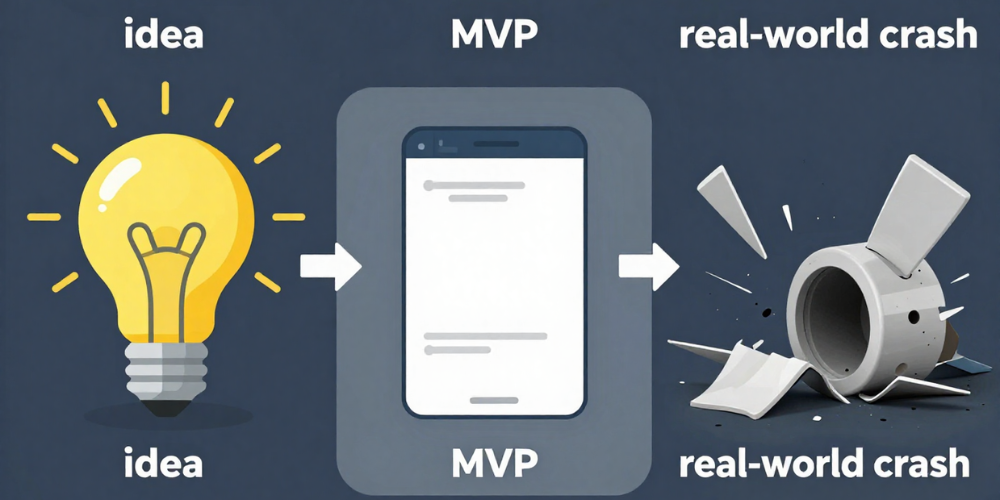
The demo looked incredible, the UI was slick, and AI responses felt smart. But when real-world users tested it, cracks appeared immediately. One unexpected input could crash the interface. There was no error handling, no recovery logic, and no resilience built in. The excitement of “launching fast” quickly turned into frustration as small failures multiplied into full outages.
I saw this firsthand at a recent AI hackathon. A friend’s startup planned a one-month roadmap to build a specialized mobile app MVP. Excited to experiment, they used no-code tools and AI connectors, finishing the product in just two days.
Lesson: Weak foundations surface instantly when scaling startups face real usage. Speed alone is never a substitute for robust systems.
Great AI Can’t Save Broken Systems
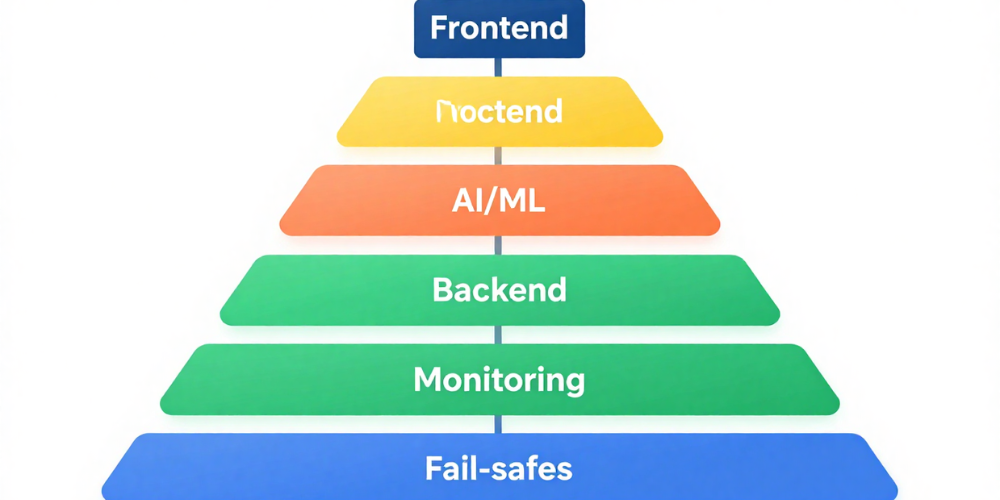
Many teams showcase impressive AI outputs but struggle with fragile infrastructure. Users don’t care how smart the model is, they care that the product works consistently. Common engineering gaps include API failures with no retry logic, repeated expensive computations due to lack of caching, zero monitoring or automated alerts, and no fallback experiences when the AI provider is down.
The Cost Trap That Slows Growth
AI usage scales expenses alongside users. Large prompts, inefficient pipelines, and synchronous workflows quietly burn cash. As demand increases, infrastructure costs can rise faster than revenue, often catching founders by surprise. Early architecture choices decide whether growth becomes profitable or fatal. Strong engineering isn’t just technical, it protects your runway.
Why Most AI Startups Have No Moat
Products built as thin layers over third-party APIs are easy to replicate. In 2026, models will keep improving for everyone. Execution quality is what separates the winners from the noise. True advantage comes from proprietary data loops, deeply integrated custom workflows, and reliable system performance at scale.
Technology Doesn’t Replace Product Strategy
AI is an amplifier. If a product solves no real problem, automation only accelerates churn. The trap often involves automating workflows users actually want control over or building impressive demos instead of useful tools. Strong products always come before smart technology.
What Successful Scaling Startups Do Differently
The companies that thrive in 2026 will focus on reliability as a core feature. They prioritize resilient backend systems built to handle the messiness of AI, cost-efficient pipelines that optimize token usage and latency, and a focus on solving clear user problems before chasing flashy tech. AI will quietly power the experience while the product delivers real value.
Final Thoughts on Scaling Startups in 2026
Scaling startups has never been faster to attempt, and never riskier to rush. AI-powered companies won’t fail because of weak models, they’ll fail because of fragile foundations, runaway costs, and treating MVP speed as a replacement for real system design. Strong engineering early may feel slower, but it compounds into faster growth, lower costs, and a real competitive advantage over time.
If you’re building an AI-powered product and want to scale it on solid technical foundations from day one, without burning time or runway fixing avoidable mistakes, connect with us here Contact Us
Everyone will have AI. Only strong systems will survive real growth.